A healthy smile is about more than just looking good in photos. It is about being able to eat your favourite foods, speak clearly, and feel confident every single day. However, life happens. Teeth can break, wear down, or develop large cavities that a simple filling cannot fix. When a tooth is under threat, you need a solution that offers both durability and a natural appearance. If you are looking for a reliable
dentist in Cranbrook, understanding how modern restorations work is the first step toward reclaiming your oral health.
One of the most effective ways to save a compromised tooth is with a dental crown. Often called a “cap,” a crown fits over the entire visible part of the tooth. It acts like a protective suit of armour, holding the structure together and preventing further decay or cracking. While crowns can be made from various materials, porcelain has become the gold standard for patients seeking a blend of beauty and durability.
Why Strength Matters for Your Smile
Each time you chew something, your teeth endure a lot of force. A tooth can start splitting if a large chip forms on it or if it has had a root canal. A
porcelain crown in Cranbrook helps keep the tooth strong enough to withstand everyday chewing without failing. This process of repairing a damaged tooth is essential for maintaining the alignment of your jaw and preventing other teeth from shifting out of place.
The Benefits of Ceramic Dental Crowns
Modern dental technology has come a long way. In the past, many people had metal crowns that left a dark line in the gum tissue. Today,
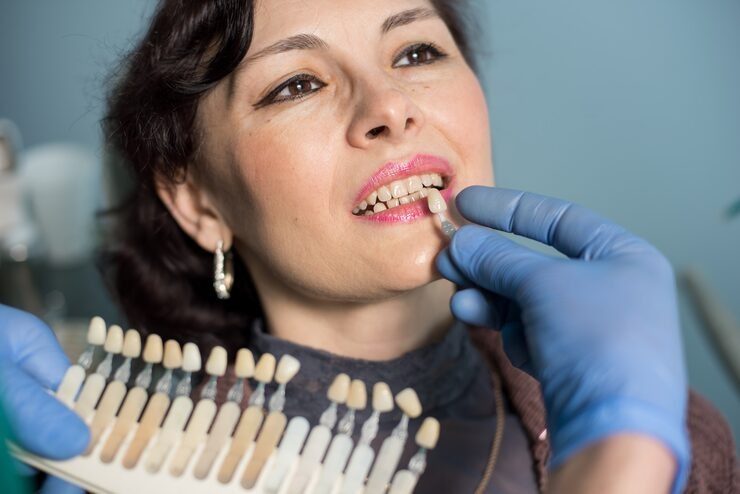
ceramic dental crowns offer a much more pleasing result. Because ceramic mimics the light-reflecting properties of natural enamel, it is almost impossible to tell the difference between the restoration and your real teeth.
Here are a few reasons why patients choose this material:
- Biocompatibility: Ceramic is gentle on the gums and does not irritate.
- Stain Resistance: Unlike natural teeth, high-quality porcelain resists stains from coffee or tea.
- Custom Fit: Each crown is custom-made to match the shape and shade of your unique smile.
- Durability: With proper care, these restorations can last for many years.
Comparing Restoration Options
It is helpful to see how different treatments stack up when you are trying to decide on the best path for your dental health.
| Feature |
Dental Filling |
Porcelain Crown |
| Primary Use |
Small Cavities |
Structural Damage |
| Coverage |
Fills a Hole |
Covers the Entire Tooth |
| Strength |
Moderate |
High |
| Longevity |
5 to 7 Years |
10 to 15+ Years |
| Appearance |
Can Be Visible |
Mimics Natural Enamel |
How the Procedure Works
Getting a crown is a straightforward process that usually requires two visits. During the first visit, the dentist prepares the tooth by removing any decay and shaping it so the crown can fit snugly on top. An impression is taken, which serves as a blueprint for the laboratory. You will usually wear a temporary cap while your permanent one is being crafted. Once the final piece is ready, it is bonded into place with a strong dental adhesive.
Caring for Your New Crown
After your crown is fitted, it is easy to care for. Take care of it just as you would a natural tooth. To keep the gums healthy and the crown base clean, dental hygiene must be maintained regularly. It’s best to refrain from biting hard objects, such as ice or pens, as this can chip the porcelain over time. Regular check-ups keep the restoration secure and functional.
Conclusion
Restoring your smile is an investment in your long-term health and happiness. At Symmetry Dental, we take pride in providing high-quality care to ensure you feel your best. We prefer its comfortable, natural look and durable solutions. If you have a weak tooth or want to learn more about your options, we can help. Don’t hesitate to call us to
schedule your appointment and take the first step towards a stronger, brighter smile.
Frequently Asked Questions
What exactly is a porcelain crown?
It is a custom-made cap placed over a tooth to restore its original shape, size, strength, and overall appearance.
How long does the procedure take?
Typically, it requires two separate visits spaced a few weeks apart to allow for the crown’s custom fabrication.
Does getting a crown hurt?
The area is numbed during preparation, so you should feel no pain, though some mild sensitivity might occur afterward.
How long will my crown last?
Most porcelain crowns last between ten and fifteen years, depending on your oral hygiene habits and regular dental visits.
Can a crown get a cavity?
The crown itself cannot decay, but the natural tooth structure underneath it still needs protection from bacteria and plaque.